
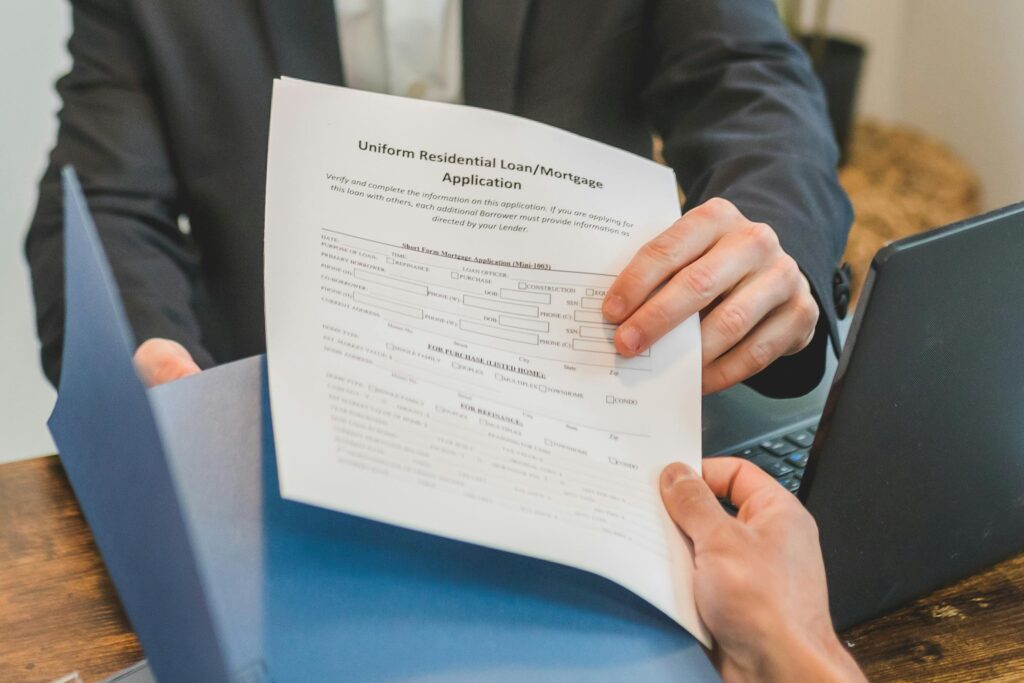
Ask ten Sydney property buyers what the difference is between pre-approval and conditional approval and you’ll likely get ten different answers — including from some who have already bought a home. The confusion is understandable: lenders use different terminology for effectively the same stage of the loan process, and some industry terms have evolved in ways that make them appear more distinct than they really are.
This guide cuts through that confusion. It explains exactly what these terms mean in the Australian lending context, how the terminology is actually used by lenders in practice, what each stage protects — and importantly, what it does not. For Sydney buyers in particular, where auction clearance rates remain high and competition is fierce, getting this right before you start making offers is essential.
Centria Finance works with buyers across Sydney, providing access to over 40 lenders and guiding clients from pre-approval through to settlement. What follows is what we tell our own clients before they start their property search.
The Terminology Problem: Why This Is Confusing
The core source of confusion is this: in Australian home lending, ‘pre-approval’ and ‘conditional approval’ are often used to describe the same thing by different lenders. There is no single industry-wide standard for these terms, and the label on the letter matters far less than what the assessment actually involved.
| Term | What It Actually Means |
| Pre-approval | The informal industry term used by most buyers and agents |
| Conditional approval | Lender’s own term — same stage, different label |
| Approval in principle | Older term; still used by some lenders and brokers |
| Indicative approval | Used by some lenders for automated/system-assessed approvals |
| Formal approval | Full lender commitment tied to a specific property |
| Unconditional approval | All conditions met — the point of genuine finance security |
| Subject to finance clause | Contractual protection in private treaty sales; not available at auction |
| THE KEY POINT When a lender or broker uses the term ‘pre-approval’, they are almost always referring to a conditional assessment of your finances before a specific property is identified. ‘Conditional approval’ often means the same thing — but can also refer to a later stage where the property is known but minor conditions remain. Always ask exactly what stage you are at and what conditions still need to be satisfied. |
What Is Pre-approval?
Pre-approval (also called conditional approval or approval in principle) is a lender’s formal assessment of your financial position — made before you have found a specific property to buy. The lender reviews your income, employment, expenses, liabilities, credit history, and savings to determine how much they are likely to lend you.
Critically, pre-approval does not involve a specific property. It is an assessment of you as a borrower. A separate property valuation and review must occur once you have found a property before the loan becomes formally approved.
What pre-approval gives you
- A clear borrowing limit so you can search within a realistic price range
- Confidence to make offers on properties without scrambling for finance
- Credibility with sellers and agents — you are a serious, prepared buyer
- The ability to bid at Sydney auctions where contracts are unconditional on the day
- A head start on the formal approval process once you sign a contract
- Early identification of any credit or serviceability issues that can be resolved beforehand
What pre-approval does NOT give you
- A guarantee that your loan will be formally approved
- Protection of your deposit — only unconditional approval does this
- Certainty that the property will be valued at your purchase price
- Protection against interest rate changes between pre-approval and settlement
- A commitment that lending policy won’t change between pre-approval and application
| SYDNEY AUCTION REALITY In NSW, auction contracts are unconditional at the fall of the hammer. There is no cooling-off period and no finance clause. If you win a Sydney auction and your loan is subsequently declined, you are still legally obligated to complete the purchase — and you risk losing your deposit and being liable for any shortfall if the property re-sells for less. A solid pre-approval before auction day is not optional. |
Not All Pre-approvals Are Equal: System vs Credit-Assessed
One of the most important — and least-discussed — distinctions in Sydney property buying is the difference between a system-generated pre-approval and a credit-assessed pre-approval. They can look identical on paper but carry very different levels of reliability.
System-generated pre-approval
Some lenders issue pre-approvals based purely on automated processing of information you have declared, without a credit officer manually reviewing your documents. These approvals can sometimes be issued in minutes online.
- Based on declared income and expenses — documents not fully verified
- May not involve a manual credit check or human review
- Provides a rough borrowing estimate — useful for early budgeting only
- Carries significant risk at auction — the formal review at application may reveal issues
- Not appropriate for bidding at Sydney auctions where contracts are unconditional
Credit-assessed pre-approval
A credit-assessed pre-approval involves a credit officer manually reviewing your actual documents — payslips, bank statements, tax returns — and conducting a full credit check before issuing the approval.
- Documents verified against lender’s policy and credit guidelines
- Hard credit enquiry conducted — this appears on your credit file
- Far more reliable indication of likely formal approval outcome
- Appropriate to use as basis for auction bidding in Sydney
- Takes 3–7 business days but carries substantially more weight
| CENTRIA FINANCE APPROACH When we arrange pre-approval for Sydney clients, we specifically apply for credit-assessed pre-approvals where possible. This gives you a far more reliable foundation for making offers and bidding at auctions. We also assess your file across 40+ lenders before applying, meaning we lodge your application with the right lender the first time — minimising unnecessary credit enquiries on your file. |
The Three Stages: Pre-approval, Formal Approval, and Unconditional
Understanding where you are in the loan journey requires clarity on three distinct stages. Many buyers conflate these, which leads to problems at exchange and settlement.
Stage 1: Pre-approval (Conditional approval / Approval in principle)
- You have been assessed as a borrower — no property yet
- The lender is willing, in principle, to lend you up to a certain amount
- Valid for typically 60–90 days (varies by lender — check with your broker)
- Subject to: the property valuing up, your circumstances remaining unchanged, and lender policy not changing
- Does NOT protect your deposit
Stage 2: Formal Approval (Conditional on remaining items)
- A specific property has been identified and the contract of sale provided
- The lender has ordered and received a property valuation
- All financial documents have been fully assessed and verified
- A formal approval letter is issued — but may still have minor conditions (e.g. confirm home insurance)
- This is the stage that satisfies a ‘subject to finance’ clause in private treaty contracts
Stage 3: Unconditional Approval
- All conditions have been met and cleared
- The lender has formally committed to funding the loan
- Loan documents are issued and ready to sign
- This is the point of genuine finance certainty
- Valid for 3–6 months depending on lender
| IMPORTANT DISTINCTION Many buyers believe that receiving a formal approval letter means they have ‘unconditional approval’. This is not always the case. A formal approval can still have outstanding conditions. Always confirm in writing with your broker or lender whether any conditions remain outstanding before exchanging contracts or removing a finance clause. |
Pre-approval vs Conditional / Full Approval: Side-by-Side Comparison
| Factor | Pre-approval | Conditional / Full Approval |
| Also known as | Conditional approval, approval in principle | Pre-approval, indicative approval |
| Stage in journey | Before you find a specific property | After exchange — specific property known |
| Property required? | No — based on your financials only | Yes — specific property assessed |
| Lender commitment | Conditional — subject to several factors | Formal — binding once unconditional issued |
| Credit check | Yes (hard or soft, varies by lender) | Yes — full credit assessment |
| Documents needed | Income, ID, expenses, savings, liabilities | All pre-approval docs + contract of sale |
| Property valuation | Not yet | Yes — lender orders valuation |
| Validity period | Typically 60–90 days | 3–6 months (full approval) |
| Good for auctions? | Yes — essential before bidding in NSW | Not applicable at this stage |
| Protects deposit? | No — only unconditional approval does | Yes — once formally unconditional |
| Rate lock possible? | Sometimes — product dependent | Yes — from formal approval |
| Speed to get | 3–7 business days typically | 1–2 weeks after offer accepted |
Documents Required: Pre-approval vs Full Approval
Gathering the right documents before you apply saves time and reduces the risk of delays. Use this checklist to prepare:
| Document | Details | Pre-approval | Full Approval |
| Proof of identity | Passport or driver’s licence | Yes | Yes |
| Recent payslips | Last 2–3 payslips (PAYG employees) | Yes | Yes |
| Tax returns | Last 1–2 years (self-employed: 2 years + financials) | Yes | Yes |
| Bank statements | Last 3–6 months of savings / transaction accounts | Yes | Yes |
| Employment details | Employer contact, length of service | Yes | Yes |
| List of liabilities | Credit cards, personal loans, HECS | Yes | Yes |
| Evidence of deposit | Savings, gift letter, equity confirmation | Yes | Yes |
| Contract of sale | Signed purchase contract from agent | No | Yes |
| Property details | Address, purchase price, property type | No | Yes |
| Building & pest report | Recommended for private treaty; essential for old properties | No | Recommended |
| Strata report | For apartments and townhouses | No | If applicable |
| SELF-EMPLOYED APPLICANTS If you are self-employed, lenders require the last two years of personal tax returns, business tax returns, and financial statements. Some lenders apply additional policy requirements to self-employed borrowers. Centria Finance’s accounting and mortgage broker services work together to ensure your financials are structured and presented in the most favourable way for lenders — a genuine advantage of our dual-expertise model. |
Pre-approval in Sydney’s Property Market: What’s Different
Sydney presents specific challenges for buyers that make pre-approval strategy more important than in other Australian cities. Here is what every Sydney buyer should understand.
Auction volumes are high — and rising
Sydney consistently records some of the highest auction volumes of any Australian city. Auctions in suburbs from the Inner West to the Northern Beaches and South Sydney are common, particularly for established homes. At auction, contracts are unconditional — there is no finance clause to fall back on. Attending without a solid, recently-issued pre-approval is a serious financial risk.
The 90-day validity window is tighter than it sounds
Most pre-approvals are valid for 60–90 days. In Sydney’s competitive market, where buyers frequently inspect dozens of properties before finding the right one, this window can close faster than expected. A pre-approval obtained before you begin seriously inspecting can expire before you find a property. Work with your broker to time your pre-approval application to when you are genuinely ready to make offers — typically 4–6 weeks into your active search.
Interest rate movements affect your approved amount
Pre-approval is based on your financial position and the interest rate environment at the time of assessment. If the RBA adjusts rates between your pre-approval and your formal application, your borrowing capacity may change. Some lenders reassess capacity if rates move even within the approval period. Understanding exactly how your specific lender handles this is critical — your mortgage broker should confirm this with you upfront.
Non-standard properties require property-specific assessment
Sydney’s property market includes a wide range of property types — inner-city apartments under 50 square metres, heritage-listed properties, studios, dual-occupancy sites, and properties in certain postcodes. Many lenders apply more conservative valuations, lower LVR limits, or outright restrictions to non-standard properties. A pre-approval does not guarantee the lender will accept the specific property you choose — always discuss the target property type with your broker before bidding.
Section 66W and cooling-off periods
In NSW private treaty sales, buyers receive a standard 5 business day cooling-off period in which they can withdraw (subject to a 0.25% penalty of the purchase price). However, if a vendor or agent asks you to sign a Section 66W certificate, you waive this cooling-off right — effectively making the purchase unconditional. Some agents use this in competitive situations. Never sign a Section 66W without confirmed unconditional finance approval.
| SYDNEY MARKET INSIGHT Centria Finance is a Sydney-based mortgage broker with deep knowledge of how local lender policies interact with Sydney’s specific property types and market dynamics. We check lender policy on your target property type before you bid — not after. Book a free consultation at centriafinance.com.au |
Common Mistakes Sydney Buyers Make with Pre-approval
1. Treating pre-approval as a guarantee
Pre-approval is a conditional yes — not an unconditional one. The lender can reassess, the property may not value up, or your circumstances may change between pre-approval and formal application. Never exchange contracts or bid at auction on the assumption that formal approval is automatic.
2. Getting pre-approval too early — or letting it expire
Obtaining pre-approval before you are seriously ready to buy means it will likely expire before you find a property. Renewing pre-approval requires new documents and potentially a new credit check. Time your application carefully with your broker.
3. Applying directly to multiple lenders
Every direct lender application typically triggers a hard credit enquiry, which appears on your credit file and can reduce your credit score. Multiple enquiries in a short window can raise concerns with lenders. A mortgage broker assesses options across multiple lenders before lodging a single application — protecting your credit file while broadening your options.
4. Changing financial circumstances after pre-approval
Any material change to your financial situation — changing jobs, taking out a new credit card or personal loan, increasing existing debt, or reducing income — can invalidate your pre-approval or reduce your approved borrowing amount. Avoid all new credit commitments between pre-approval and settlement.
5. Ignoring property-type restrictions
Pre-approval is based on your finances, not a specific property. A lender who approved you for $900,000 may refuse to lend on a specific inner-Sydney apartment due to its size, postcode, or building type. Always confirm the specific property is acceptable to your lender before proceeding.
6. Confusing formal approval with unconditional approval
Receiving a ‘formal approval’ letter does not always mean all conditions are cleared. Read the approval letter carefully and ask your broker explicitly: are there any outstanding conditions? If yes, do not exchange contracts or remove a finance clause until they are resolved.
| PRACTICAL TIP Before making an offer on any Sydney property — whether at auction or private treaty — ask your mortgage broker to confirm: (1) the pre-approval is current, (2) the property type is acceptable to the lender, and (3) the loan amount will comfortably cover the purchase price. These three checks take minutes and can prevent costly mistakes. |
The Pre-approval to Settlement Process: Step by Step
Understanding the full journey from pre-approval to settlement helps you plan your timeline and know what to expect at each stage.
Step 1: Prepare your documents
Gather payslips, tax returns, bank statements, identification, and a list of all liabilities. Self-employed borrowers should prepare business financials and two years of tax returns.
Step 2: Speak with a mortgage broker
A broker assesses your borrowing capacity across multiple lenders, identifies the right lender for your situation and property type, and applies for a credit-assessed pre-approval on your behalf — without triggering multiple credit enquiries.
Step 3: Receive pre-approval
Once approved, you have a confirmed borrowing limit and a letter you can present to agents. Begin your property search. Pre-approval is typically valid for 60–90 days — note the expiry date and plan accordingly.
Step 4: Find a property and make an offer / bid at auction
Search within your pre-approved price range. At auction, bid up to your limit with confidence. For private treaty, make your offer subject to finance (unless your broker has confirmed you have a very high level of lender confidence and the property is standard).
Step 5: Sign the contract of sale
Once your offer is accepted, sign the contract. In NSW, you have a 5 business day cooling-off period on private treaty purchases (not applicable at auction). Your solicitor or conveyancer should review the contract before you sign.
Step 6: Lender orders a property valuation
After your broker submits the contract, the lender orders a property valuation. This is the critical juncture: if the property values below your purchase price, the lender will reduce the approved loan amount. Discuss this risk with your broker before bidding above comparable sales.
Step 7: Receive formal approval
Once the valuation is satisfactory and all conditions are met, the lender issues formal approval (unconditional approval). Your solicitor or conveyancer can now confirm finance is in order.
Step 8: Sign loan documents and proceed to settlement
Sign the loan documents, confirm all settlement arrangements with your solicitor and broker, and prepare for settlement day — the date ownership and funds are transferred.
How Centria Finance Helps Sydney Buyers
Centria Finance is a Sydney-based mortgage brokerage with access to over 40 lenders, combined with in-house accounting and tax planning expertise. This dual-service model is particularly valuable for buyers who are self-employed or have complex financial structures, where how your finances are presented to a lender makes a significant difference to your approved borrowing amount.
What we do for pre-approval
- Assess your full financial picture across 40+ lenders
- Identify the right lender for your situation and property type before applying
- Apply for a credit-assessed pre-approval — not a system-generated one
- Protect your credit file by lodging a single, targeted application
- Check lender policy on your target property type and suburb
- Keep your pre-approval current throughout your search period
What we do from pre-approval to settlement
- Submit your contract of sale and manage the formal approval process
- Coordinate the property valuation with the lender
- Track outstanding conditions and keep your file progressing
- Liaise with your solicitor / conveyancer on settlement timing
- Keep you informed at every stage — no surprises
The accounting advantage
For self-employed buyers, business owners, and property investors, Centria Finance’s combination of mortgage broking and accounting services means we can structure your financials, optimise your tax position, and ensure your income is presented in the strongest possible way to lenders — all under one roof.
Frequently Asked Questions
Is pre-approval the same as conditional approval?
In most cases, yes — different lenders use different names for the same stage of the loan process. The key thing to understand is what the assessment actually involved: was it a full credit-assessed review, or an automated system check? Ask your broker or lender to clarify, and read any approval letter carefully to understand what conditions remain.
How long does pre-approval take in Sydney?
A credit-assessed pre-approval typically takes 3–7 business days, depending on how complete your documents are and the lender’s current processing volumes. Working with a broker who has complete documents ready before lodging the application significantly reduces turnaround time.
Does applying for pre-approval affect my credit score?
A credit-assessed pre-approval involves a hard credit enquiry, which will appear on your credit file and can temporarily lower your credit score. Multiple hard enquiries in a short period have a greater effect. Using a mortgage broker means a single enquiry is lodged with the right lender, rather than multiple enquiries across several banks.
How long is pre-approval valid for in NSW?
Most lenders issue pre-approval for 60–90 days. Some offer extensions or allow renewal with updated documents. Check your specific approval letter for the expiry date and discuss renewal strategy with your broker if your search is taking longer than expected.
Can I bid at a Sydney auction with just a pre-approval?
Yes, but only if it is a credit-assessed pre-approval from a suitable lender, and you are confident the property type and price are consistent with what was assessed. A system-generated pre-approval is not sufficient for auction. Discuss your specific situation with your broker before auction day.
What happens if my pre-approval expires before I find a property?
You will need to renew with updated documents and potentially a new credit check. This is common in Sydney’s market where the property search can take several months. Time your application to when you are actively ready to make offers, and stay in contact with your broker throughout your search.
Can pre-approval be declined?
Yes. Pre-approval can be declined if your income does not meet the lender’s serviceability test, your credit history shows adverse entries, your deposit is insufficient, or your employment situation does not meet the lender’s criteria. If declined, your broker can assess whether other lenders have different policies that may be more favourable for your situation.
Do I need a mortgage broker, or can I go directly to a bank?
You can go directly to a bank, but you will only see that bank’s products and policies. A mortgage broker provides access to 40+ lenders and can match you to the right one for your specific situation — including your property type, employment structure, and borrowing goals. For Sydney buyers navigating auctions and competitive markets, professional advice is particularly valuable. Centria Finance’s services are at no direct cost to you — brokers are paid by the lender.
| BOTTOM LINE FOR SYDNEY BUYERS Pre-approval and conditional approval are often the same thing — different lenders use different names for the same stage. What matters is how thoroughly your application was assessed. In Sydney’s auction-heavy market, a properly assessed pre-approval is not optional — it is your licence to compete. But it is never a guarantee of finance. Only unconditional approval gives you genuine certainty. Work with a mortgage broker who accesses 40+ lenders, matches you to the right one before applying, and manages your file from pre-approval through to unconditional. That’s what Centria Finance does — book a free consultation at centriafinance.com.au |
Ready to Get Your Pre-approval Sorted?
Centria Finance is a Sydney mortgage brokerage offering access to 40+ lenders, combined with in-house accounting and tax planning expertise. We help first home buyers, upsizers, and investors navigate the Sydney property market with confidence.
Book a free consultation: centriafinance.com.au
One Response